
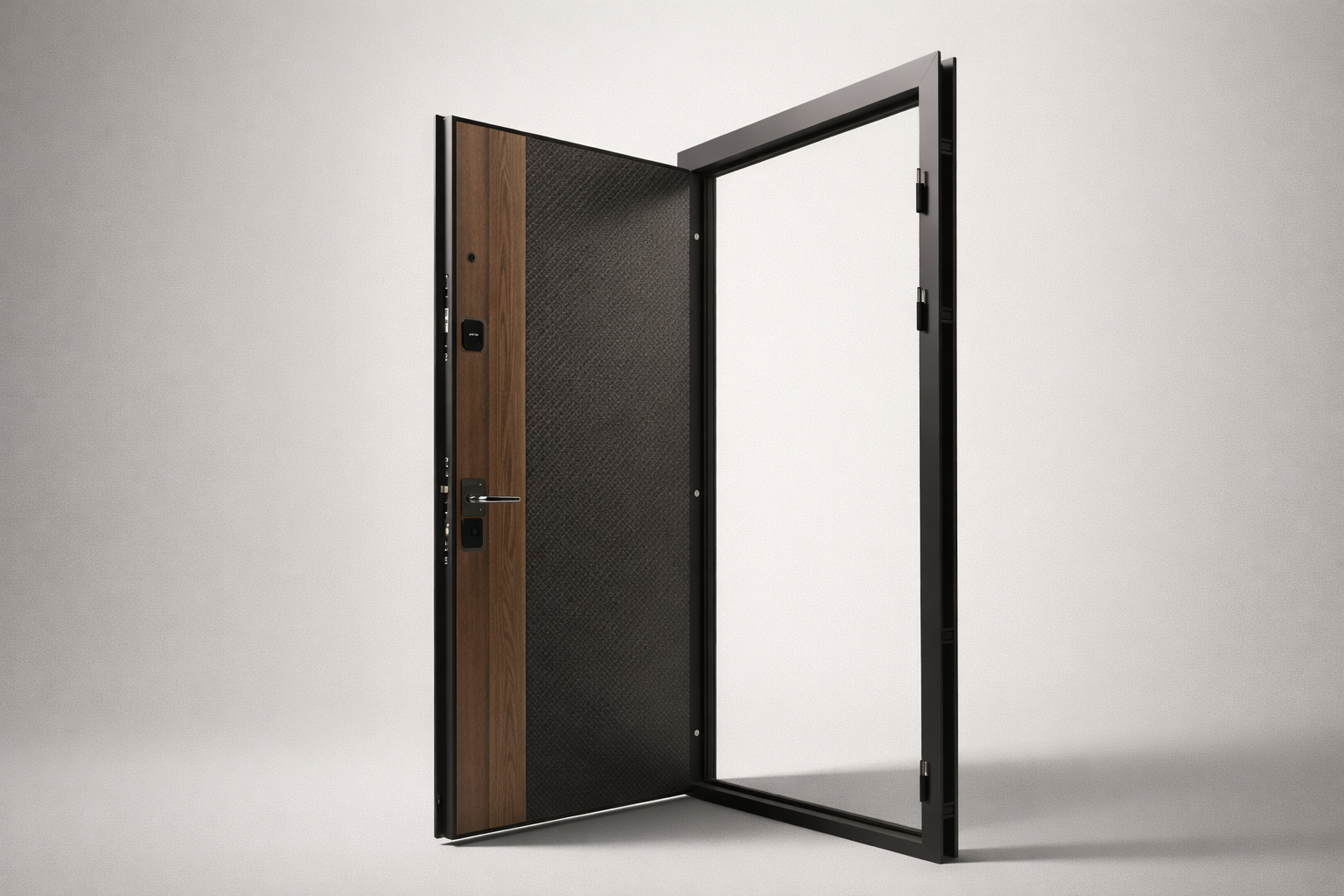
The Basic Types of Doors You’ll Find in Nigeria (And What They’re Really Good For)
When most people choose a door, the first thing that comes to mind is design.
Does it look nice? Will it match my tiles? Does it fit the overall style?
Fair questions.
But in Nigeria, a door is more than just how it looks. It is about security, durability, weather resistance, and long term peace of mind.
So instead of just focusing on appearance, let’s break down the common types of doors you’ll see and what they are really best suited for.
1. Wooden Doors
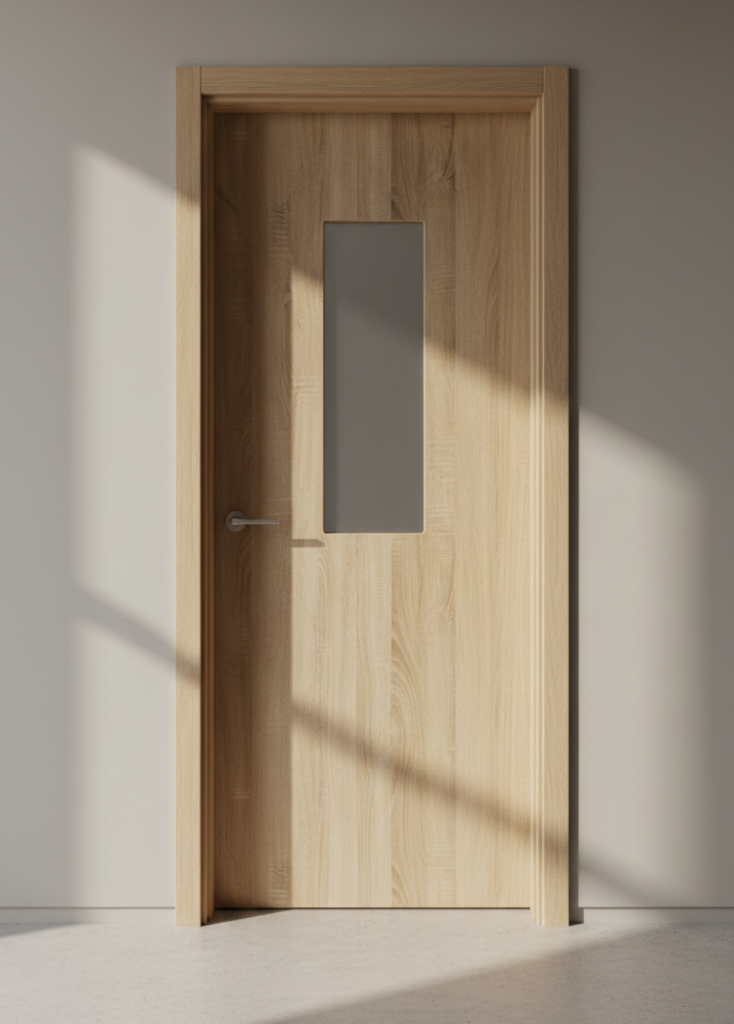
Wooden doors are the classic choice. You will find them in almost every Nigerian home, especially in bedrooms and living areas.
They feel warm, familiar, and timeless. Plus, they are easy to customize.
But here is the honest part, Wood works best inside the house but for your main entrance, it is not always the best idea.
Without proper reinforcement, a basic wooden door will not offer much in terms of security and with Nigeria’s humidity, untreated wood can swell, crack, or even attract termites over time.
Best for: Bedrooms, living rooms, interior spaces
Be careful with: Main entrances
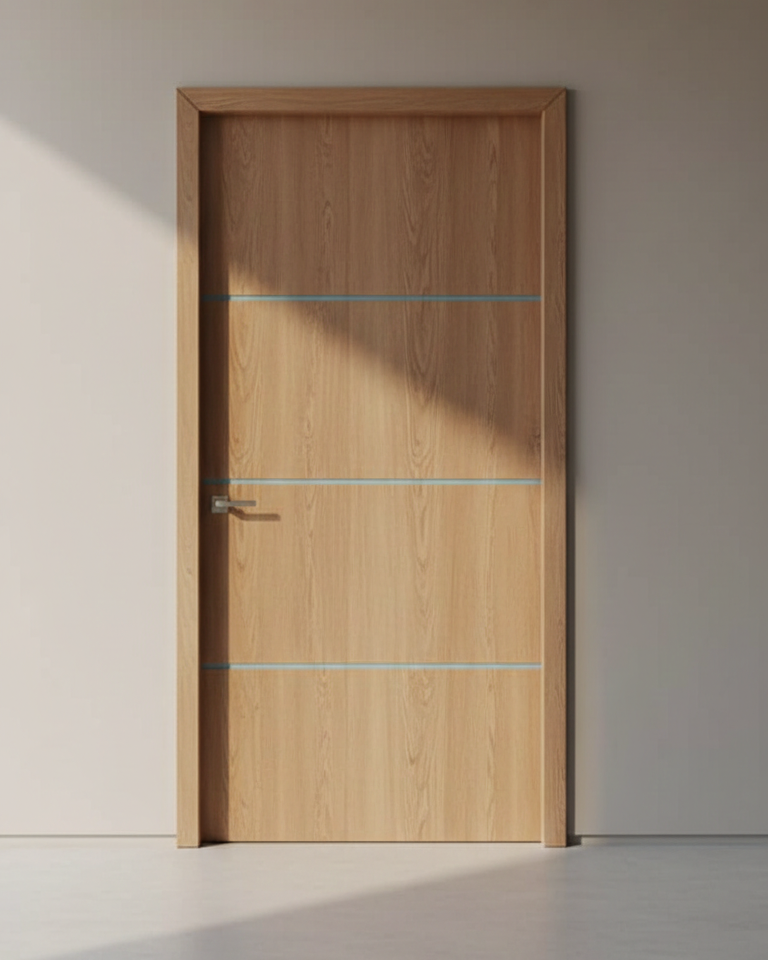
2. Flush Doors
Flush doors are those smooth, flat doors you see in modern apartments. Clean, simple, and without extra detailing.They are affordable and great for minimalist interiors.
But when it comes to strength, they are not built for heavy duty protection, think of them as privacy doors, not security doors.
Best for: Interior rooms
Not ideal for: Areas that need real security
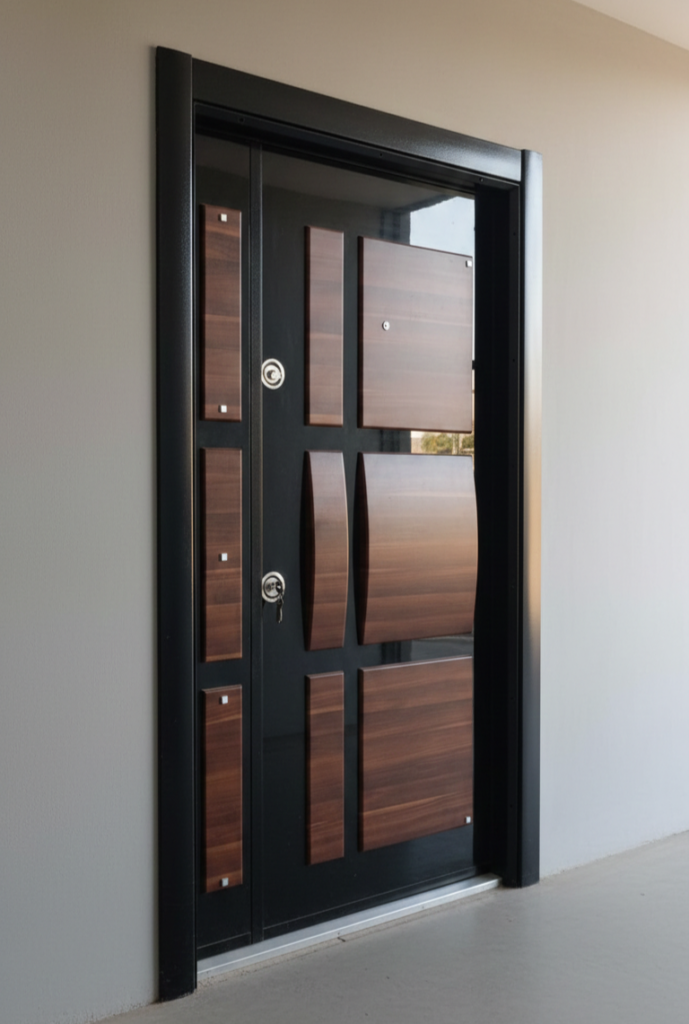
3. Steel Security Doors
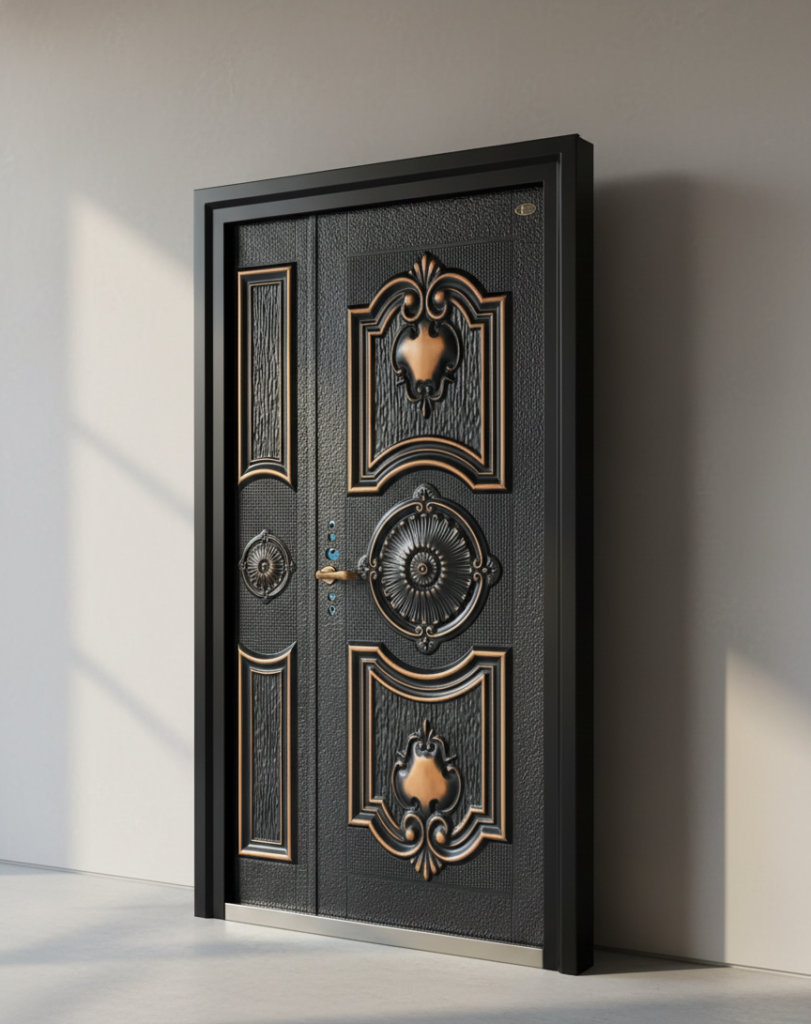
This is where most Nigerian homeowners lean, and for good reason. Steel security doors are built for protection and have become a standard for main entrances.
A well installed steel door can significantly improve your safety. But here is something people often overlook.
A strong door with a weak lock is still a weak system.The door, frame, hinges, and lock all need to work together. If one fails, the whole system is compromised.
Best for: Main entrances, back doors, commercial spaces
Important: Installation quality matters just as much as the door itself
4. Reinforced or High-Security Doors
These are the heavyweights. You will typically find them in banks, government buildings, or high end homes.
They come with reinforced cores, advanced locking systems, and serious resistance.
But let’s be realistic. Not every home needs this level of security. They are expensive, and in many cases, more than necessary.
Security should match your actual risk, not just your fear.
Best for: High value or high risk properties
Overkill for: Standard residential homes
5. Aluminum Doors

Aluminum doors are common in kitchens, offices, and secondary exits.
They are lightweight, rust resistant, and handle humidity very well, which suits Nigeria’s climate.
But on their own, they are not built for serious security.
If you are using them externally, make sure the frame and locking system are reinforced.
Best for: Kitchens, offices, secondary exits
Needs support: If used as an exterior door
6. Glass Doors
Glass doors instantly elevate a space. They bring in light, make rooms feel bigger, and give a clean, modern look.
But glass on its own is vulnerable. If you are going this route, always use tempered or laminated glass and combine it with proper locking or access control systems.
Because design should never come at the cost of safety.
Best for: Offices, patios, modern interiors
Requires: Thoughtful security planning
7. PVC Doors
PVC doors are the go-to option for bathrooms and utility spaces.
They are affordable, waterproof, and easy to maintain, which makes them perfect for wet areas.
But in terms of security, they offer very little.
They should never be used anywhere that requires protection.
Best for: Bathrooms and service areas only
So, Which Door Is “Best”?
That is actually the wrong question.
A better question is; What is this door meant to protect?
In interior design, we always say functionality over aesthetics.
And in Nigeria, your door choice should always consider;
- Security risk
- Weather exposure
- Budget
- Aesthetic goals
- The type of building
A bedroom door does not need the same strength as a front entrance.
An office setup will not be the same as a bank. The goal is alignment, not excess.
Author

Chika Osuji
Chika Osuji is a creative director and design entrepreneur with over a decade of experience delivering refined, functional interiors and bespoke furniture solutions. As the founder of LockeHaus, she leads with a distinct approach that blends design precision, business strategy, and a deep understanding of how spaces influence lifestyle and productivity. Her work is defined by clean, intentional aesthetics and a commitment to quality execution from concept to completion. Through the LockeHause blog, she shares expert insights on modern living, design strategy, and the business of building timeless, high-performing spaces.
Leave a Reply